
Proper nutrition is a vital part of fighting cancer. For patients undergoing chemotherapy, radiation, or surgery, the right diet helps repair tissues, maintain energy levels, and speed up recovery.
Protein is the primary nutrient that cancer patients must prioritize. It plays a vital role in repairing damaged tissues, building new cells, and boosting energy levels, ensuring the body is prepared to fight the disease and recover effectively after treatments—be it chemotherapy, radiation, or surgery.
The amount of protein a patient needs each day isn’t the same for everyone. It depends on factors such as body weight, gender, age, activity level, and their physical condition during treatment. The general calculation is as follows
Focus on easily digestible options like fish, eggs, tofu, beans, and lean meats. Spread your protein intake across multiple small snacks throughout the day for better absorption.
Getting enough protein is key to keeping up your muscle strength and fighting off exhaustion. It gives your body the stamina it needs to keep going during your treatment.
Protein must be “sufficient” to maintain muscle mass.
Cancer patients require more protein than the average person because the body uses more energy and muscle loss occurs easily.
Recommended Daily Intake:
Nausea, loss of appetite, and a full feeling are common side effects of treatment. Instead of forcing three large meals, try eating 5–6 smaller portions every 2–4 hours. This ensures you get the same total daily calories and nutrients without feeling overwhelmed or bloated.
The Principle: Increase the frequency of your meals while keeping the total daily nutrient intake the same. This ensures your nutrition remains complete and balanced.
For example, if a patient requires 1,200 calories per day:
The ideal timing is to eat every 2–4 hours. This keeps energy levels steady, prevents extreme hunger, and avoids feeling uncomfortably full.
Energy is essential for the long fight.
Maintaining fluid balance is critical to flushing out toxins from treatment. Aim for 2–3 liters of fluid daily. This can include plain water, low-sugar fruit juices, or electrolyte drinks if you are experiencing dehydration.
Many patients experience side effects such as mouth sores, sore throat, difficulty swallowing, or constipation. Dietary choices should be tailored to these individual symptoms. Selecting soft, easily digestible foods with a mild flavor can help minimize irritation and make eating a more comfortable experience.
When a Standard Diet Isn’t Enough Despite their best efforts to eat well, many patients find it impossible to consume enough nutrients due to severe loss of appetite, mouth ulcers, or digestive issues. This often leads to nutritional deficiencies.
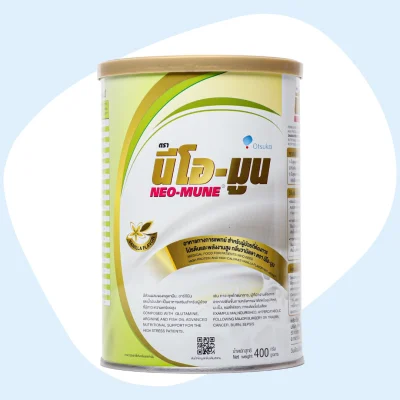
In these situations, Medical Food plays a vital role. Scientifically formulated for specific medical needs, these products provide complete nutrition from all five food groups. They are designed to be easy to digest and absorb, providing immediate energy.
Medical Food: A Reliable Choice for Complete Nutrition Specialized medical nutrition for cancer patients is an excellent option to bridge the nutritional gap. It ensures the body has the strength to continue the fight.
Good nutrition is a cornerstone of cancer care. Combining a proper diet with medical treatment empowers patients to fight harder and recover better at every stage. If eating regular meals becomes a struggle, specialized cancer nutrition ensures your body’s specific needs are always met.