

Medical Foods for Liver Patients
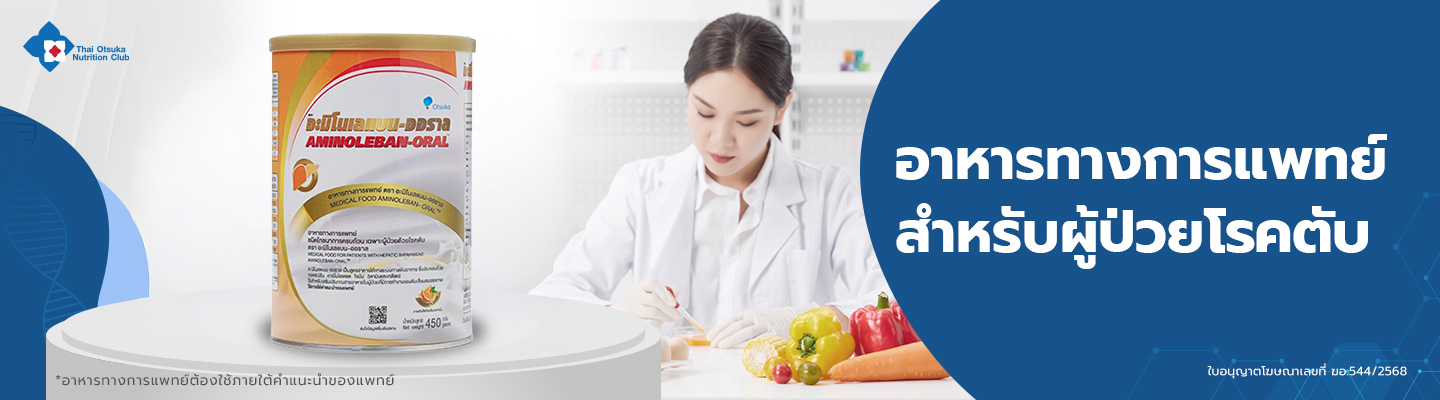

Medical Food for Liver Disease Patients
The liver is a vital organ that acts as the metabolic center and detoxification hub of the body, handling tasks such as processing nutrients, storing energy, and eliminating waste. When abnormalities occur, such as hepatitis or cirrhosis, the liver’s functional capacity diminishes.
Choosing to consume medical food for liver disease patients is a starting point for selecting nutrition that is appropriate for the body.
The appropriate diets for each type of liver condition are as follows:
Hepatitis
Hepatitis patients should focus on receiving adequate amounts of energy and protein to help repair damaged liver cells. They should choose high-quality proteins such as fish, eggs, or plant-based proteins, while reducing high-fat and excessively sugary foods, which can increase the liver’s metabolic workload.
Liver Cirrhosis
For patients with cirrhosis, it is necessary to exercise caution regarding sodium to reduce the risk of fluid retention or ascites (abdominal swelling), as well as to carefully consider the amount and type of protein to prevent the accumulation of waste in the body. This should always be done under the guidance of a physician or nutritionist.
What Are Liver-Nourishing Foods? 5 Food Groups That Help Regenerate Liver Cells
- Complex Carbohydrates: These are slow-digesting energy sources, such as brown rice or whole grains, which provide a steady supply of energy without burdening the metabolic system.
- Lean and Plant-Based Protein: Protein is essential for repairing liver cells. Low-fat protein sources like fish, tofu, or beans should be chosen in appropriate amounts.
- Green Leafy and Cruciferous Vegetables: These groups are rich in antioxidants and dietary fiber, supporting liver function and the digestive system.
- Healthy Fats (Omega-3 Fatty Acids): Found in fish such as salmon or deep-sea fish, they help reduce inflammation and support overall health.
Medical Food for Liver Disease
In cases where patients cannot eat enough food, medical food for liver disease can be an alternative choice to help them receive appropriate energy and nutrients under the guidance of medical personnel.
Why Choose Medical Food Specifically for Liver Disease?
Liver disease patients often face limitations in digesting and metabolizing nutrients. Choosing medical food for liver disease patients, which is designed with appropriate nutrient proportions—such as easily digestible proteins and sufficient energy—helps reduce the liver’s workload and effectively supports nutritional status.
Summary
Nutritional care for liver disease patients requires an understanding of the disease condition and the appropriate nutritional balance for each individual. Therefore, selecting suitable foods, including considering the use of medical food for liver disease when necessary, should always be done in consultation with a doctor.
Advantages of Medical Food for Liver Disease Patients
- Features nutrient proportions appropriate for the disease condition.
- Helps provide sufficient energy in cases of low food intake.
- Provides protein in a form that the body can utilize easily.
- Reduces complexity in daily meal planning.
FAQ: Frequently Asked Questions About Liver Disease Diet and Nutrition
- What are liver disease patients forbidden to eat? ▶ They should avoid alcoholic beverages, raw foods, fermented foods, and foods high in saturated fats, as these can increase the liver’s workload.
- What is the appropriate diet for liver disease patients? ▶ Foods that are easy to digest, contain moderate amounts of protein, and offer complete nutrition, adjusted according to the recommendations of a physician or dietitian.
- What should liver disease patients focus on consuming in particular? ▶ They should focus on receiving adequate energy and protein to prevent malnutrition and help maintain muscle mass, especially those experiencing a loss of appetite.
- Why should liver disease patients receive specialized medical food formulas? ▶ When liver function decreases, the body may have difficulty handling certain types of protein. Medical food for liver disease patients is designed with appropriate amino acid proportions to support nutrition and reduce the liver’s workload. This should be used under the guidance of a physician or dietitian.
- How are BCAA amino acids important for individuals with liver problems? ▶ Branched-Chain Amino Acids (BCAAs) are amino acids that the body can utilize directly in the muscles, playing a role in supporting nutrition and preserving muscle mass in liver disease patients. They should be consumed in appropriate amounts as recommended by a physician or dietitian.
- Can medical food for liver disease replace main meals? ▶ It can be consumed as a supplement between meals or used as a primary nutritional source to replace main meals in cases where patients can eat very little normal food. This should be done under the guidance of a physician or dietitian.
- Do patients with liver cirrhosis need to completely avoid protein? ▶ Liver disease patients should not completely avoid protein, as this can lead to malnutrition and a loss of muscle mass. However, the type and amount of protein should be carefully selected. Especially for patients with complications, a physician or dietitian should be consulted before making dietary adjustments.
- Who is medical food for liver disease suitable for? ▶ Products in this category are suitable for individuals with impaired liver function, cirrhosis patients, or patients with hepatic encephalopathy who require specialized nutritional care. They should be used under the supervision of medical personnel.
- Can liver disease medical food formulas be given through a feeding tube? ▶ Some medical food formulas can be used for tube feeding in addition to oral consumption. Product labels should be checked, and medical personnel should assess suitability before use.
- What is the correct way to prepare powdered medical food? ▶ Powdered medical food should be mixed with water according to the proportions specified on the label, using boiled water that has cooled down or room-temperature water. Avoid using very hot water to prevent alteration of nutrients. Once mixed, it should be consumed immediately or stored according to the product label’s instructions.
- Is medical food for liver disease difficult to taste? ▶ Modern medical food formulas have been developed to have more palatable aromas and flavors, making it easier for patients experiencing a loss of appetite to consume them comfortably and receive adequate nutrition.
- If a liver disease patient has other underlying conditions like diabetes, can they consume medical food? ▶ Each medical food formula has different proportions of carbohydrates and nutrients. If a patient has other underlying conditions, they should consult a physician or dietitian before starting consumption to evaluate the appropriate formula and quantity for their physical condition.
- Why choose standardized medical food for liver disease? ▶ Standardized medical food undergoes research and manufacturing processes with quality control to ensure patients receive appropriate nutrient amounts and consistent quality. Therefore, standardized products should be chosen and used under the guidance of medical personnel.
Medical foods must be used under medical supervision.