Types of tube-feeding diets
Tube feeding is a nutritional care method for patients who cannot eat normally by mouth, such as bedridden patients, post-surgical patients, or those with swallowing difficulties. Diets for this group of patients can be divided into two main types: blended diets and medical foods.
Blended Diet
This is a diet made from regular ingredients such as rice, meat, vegetables, and fruits, which are cooked and thoroughly blended before being administered via a feeding tube. The advantage is that you can choose the ingredients yourself and customize the formula to suit each patient’s individual needs. However, a blended diet has limitations regarding the consistency of nutrients in each meal, and special attention must be paid to cleanliness. If not prepared correctly, there is a risk of contamination, and if not blended finely enough, it can cause the feeding tube to clog.
Medical Food
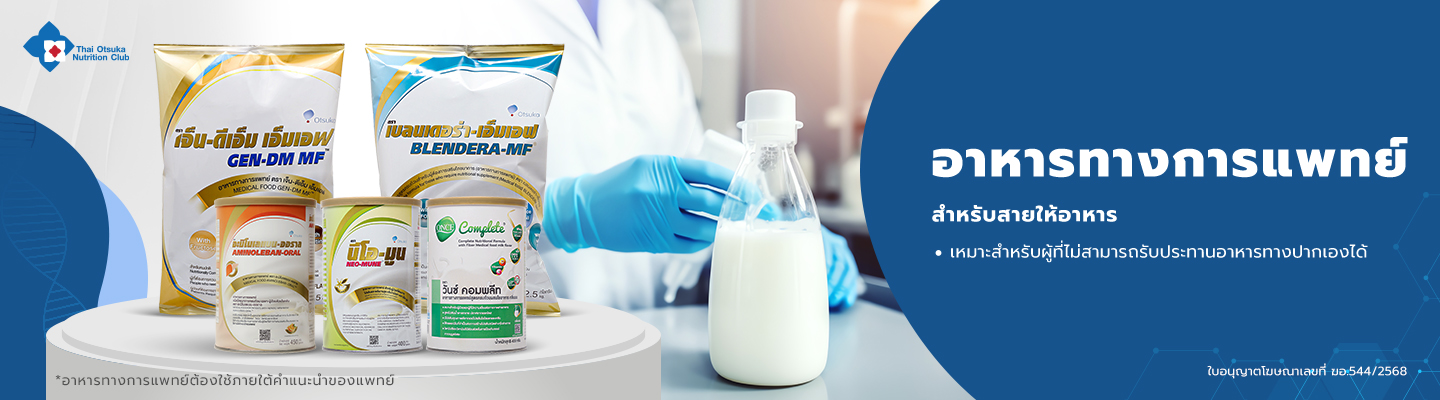
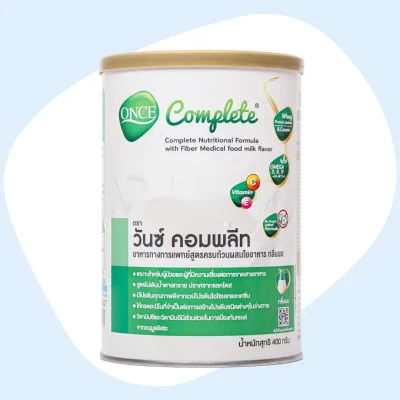
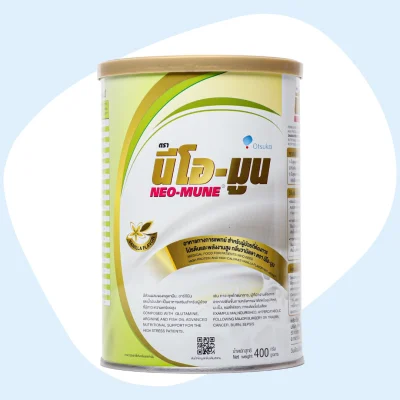
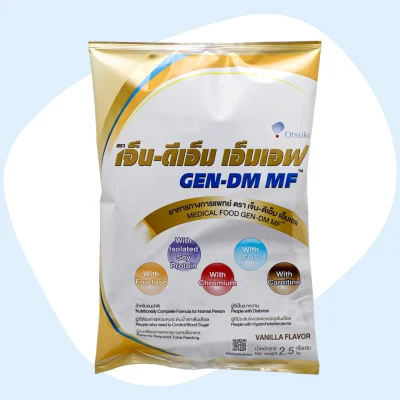
This is a ready-to-use tube-feeding diet produced with quality control and properly proportioned nutrients. It allows for accurate calculation of energy and nutrients, reducing the risk of contamination. Therefore, in practice, medical food is often chosen for use in medical facilities or for patients requiring continuous nutritional care.
Comparison: Blended Diet vs. Medical Food
|
Feature
|
Blended Diet
|
Medical Food
|
|
Source
|
General fresh ingredients
|
General and specialized formulas for patients
|
|
Nutrient Consistency
|
Prone to variation
|
Stable and precise
|
|
Cleanliness
|
Depends on preparation; easily prone to contamination
|
Produced under controlled manufacturing standards
|
|
Convenience
|
Must be prepared manually
|
Ready to use
|
Steps and Procedures for Safe Tube Feeding
Tube feeding should be performed with caution and proper hygiene to prevent potential complications. The basic guidelines are as follows:
- Position the patient properly
Raise the patient’s head to an angle of about 30–45 degrees throughout the feeding process to help reduce the risk of aspiration. Along with this, check the caregiver’s cleanliness and wipe the feeding tube valve clean before starting the feeding.
Check the tube position and residual feeding volume
Verify that the feeding tube is still in the correct position and has not shifted or dislodged, and check the amount of food remaining in the stomach. If an abnormally large amount is found, skip that meal and consult a doctor or specialist.
Control the feeding speed
Allow the food to enter the body at an appropriate speed—not too fast—to reduce irritation or abdominal bloating. After feeding or administering medication, always flush the tube with clean water to help clear it and prevent clogging. Afterward, clean the tube valve and close it tightly.
- Post-feeding care
After finishing the meal, keep the patient’s head elevated for at least 30–60 minutes to prevent aspiration and help the digestive system function better.
Equipment and Feeding Tube Care
Proper care of equipment and feeding tubes is essential for patient safety. Key areas to focus on include:
- Clean all equipment after every use.
- Regularly check the feeding tube for clogs.
- Replace equipment according to recommended schedules.
- Keep the insertion site (such as the nose or abdomen) clean and dry to reduce the risk of infection.
FAQ: Frequently Asked Questions About Tube Feeding
What temperature should liquid food for tube feeding be?
▶ It should be at room temperature—neither too hot nor too cold—to prevent irritation to the gastrointestinal tract.
What should be done if the patient has diarrhea during tube feeding?
▶ You should check the cleanliness of the equipment, the feeding rate, and the formula used. If symptoms persist, consult a doctor or medical personnel for further evaluation.
How long can tube-feeding food be stored?
▶ [Note: The source text cuts off here regarding storage duration, but generally refers to following product instructions or safe refrigeration guidelines.]
Tube feeding is another essential method in caring for patients who cannot eat normally, requiring knowledge, attention, and cleanliness at every step—from choosing the type of diet, whether blended or medical food, to correct feeding methods. When practiced properly, it helps patients receive complete nutrition, reduces the risk of complications, and promotes a better quality of life in the long term.