Kidney disease has become an increasingly common health concern in Thailand. Many people develop kidney impairment without realizing it because the early stages often show no clear symptoms. By the time symptoms appear, the kidneys may already be functioning poorly.
It is important to understand that once kidneys are damaged, it is difficult to restore them to their original state. However, you can slow the progression of the disease through proper self-care, particularly by managing your diet, lifestyle, and regular health monitoring.
What Causes Kidney Decline, and Who is at Risk?
Kidney decline occurs when the kidneys lose their ability to effectively filter waste and maintain the balance of water and minerals. High-risk groups include:
- People with diabetes
- People with high blood pressure
- The elderly
- Those who frequently use painkillers or certain medications over a long period
9 Ways to Protect Your Kidneys
1. Manage Your Salt Intake (Reduce Sodium)
Excess sodium forces the kidneys to work harder, raises blood pressure, and accelerates damage. Avoid processed foods, pickles, and fermented items, and reduce the use of fish sauce, soy sauce, and seasoning powders.
2. Keep Blood Pressure Within a Normal Range
High blood pressure directly damages the small blood vessels in the kidneys. It is vital to take prescribed medications, manage your diet, maintain a healthy weight, and get enough rest.
3. Control Blood Sugar Levels
Chronic high blood sugar speeds up kidney decline. For those with diabetes, it is crucial to reduce sugar intake, choose complex carbohydrates, and monitor blood sugar levels regularly.
4. Optimize Your Protein Intake (Crucial)
While protein is an essential nutrient, consuming too much puts a heavy strain on the kidneys. You should adjust your intake based on your specific stage of disease:
- Stages 1–3a: 0.8–1.0 g/kg of body weight per day.
- Stages 3b–5 (Pre-dialysis): 0.6–0.8 g/kg per day. However, if the patient is ill or requires more nutrition, this may be increased to 1.0-1.2 g/kg per day.
- Somes of Stage 4–5 Patients: Protein may be restricted to 0.4 g/kg per day, supplemented with essential amino acids.
- Dialysis Patients: 1.1–1.4 g/kg per day.
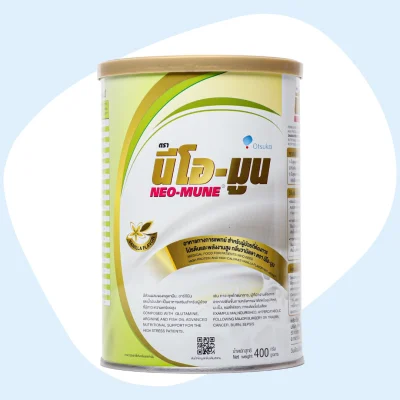
Choosing specialized renal diets or medical foods with a precisely balanced nutrient profile can help reduce the workload on the kidneys and make daily self-care much more manageable.
5. Stay Properly Hydrated
Water helps flush out waste, but hydration needs vary by stage. Some patients may need to limit fluids, so always follow your doctor’s specific advice.
6. Avoid Smoking and Alcohol
Smoking narrows blood vessels, and alcohol adds to the kidneys’ workload. Quitting helps slow kidney decline and reduces the risk of heart disease.
7. Maintain a Healthy Weight
Being overweight increases the risk of diabetes, hypertension, and high cholesterol—all of which accelerate kidney damage.
8. Exercise Regularly
Light to moderate exercise, such as walking, swimming, or cycling, helps regulate blood pressure, sugar levels, and weight.
9. Get Regular Kidney Function Screenings
Annual blood and urine tests can detect abnormalities early. The sooner you know, the more effectively you can plan your care.
Nutrition: Your Best Defense
The key to slowing kidney disease is self-discipline, especially regarding nutrition. Calculating the exact balance of protein, sodium, potassium, and phosphorus can be difficult.
Specialized medical foods for kidney disease are designed to provide the correct nutrients while reducing the workload on your kidneys, making it easier and safer to manage your health daily.