


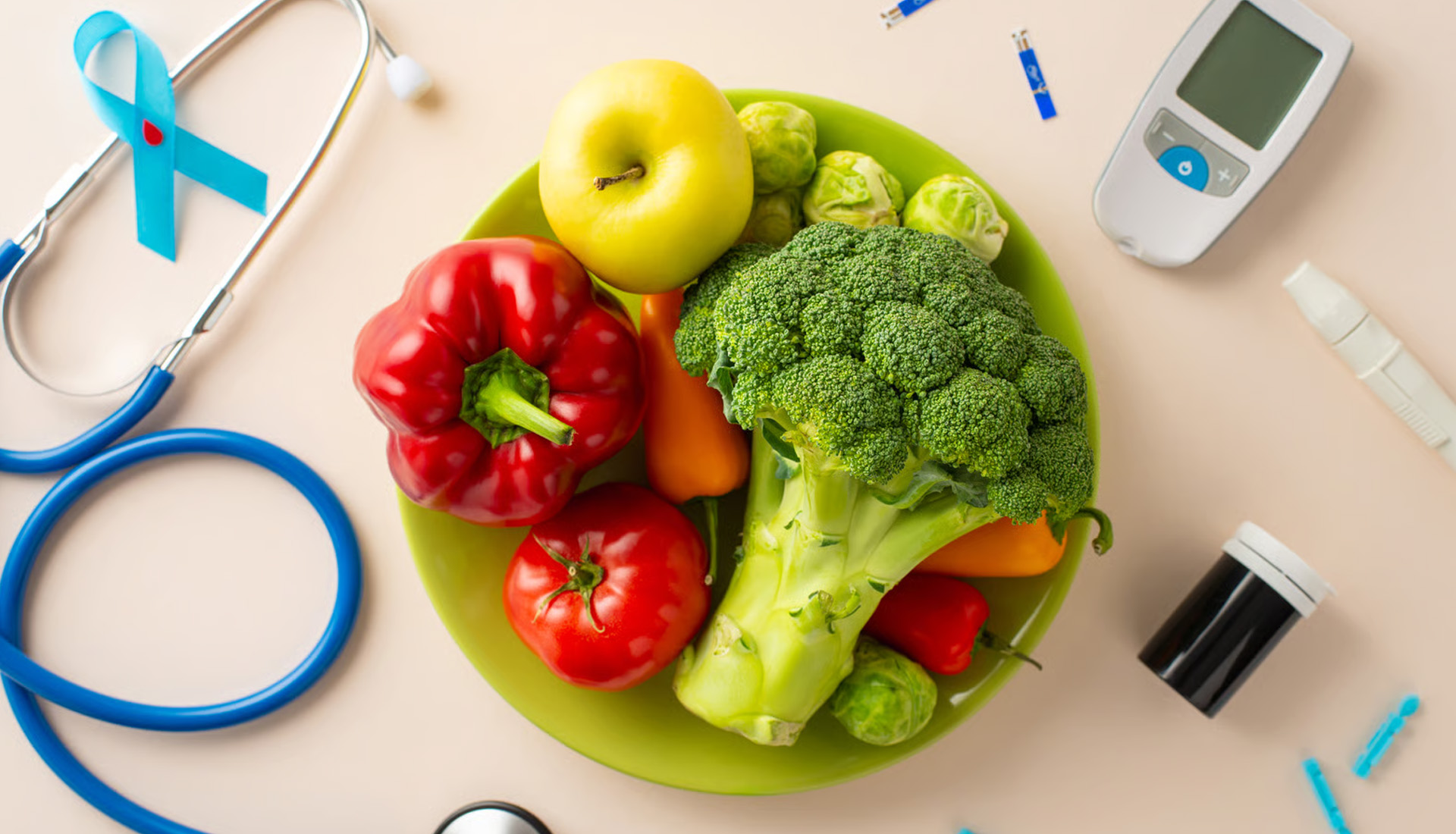
Effective diabetes management is about more than just medication. It begins with the food on your plate every day. Many people mistakenly believe that having diabetes means strictly skipping meals or starving themselves, which can actually lead to malnutrition.
In reality, those with diabetes can enjoy a wide variety of foods. The key is understanding how to choose the right types of food and managing portion sizes. Specifically, Carbohydrate Counting is the cornerstone of maintaining stable blood sugar levels.
Core Principles of a Diabetic Diet
1. Choose Complex Carbohydrates
While carbohydrates are the body’s main energy source, people with diabetes should opt for complex carbs like brown rice, whole grains, or whole-wheat bread. These have a Low Glycemic Index (Low GI), meaning they convert to sugar more slowly, reducing sharp blood sugar spikes after meals.
2. Prioritize High-Fiber Foods
Fiber, particularly from green leafy vegetables, helps slow down the absorption of sugar into the bloodstream. It also keeps you feeling full longer and supports healthy digestion.
3. Manage Timing and Portions
Eating at consistent times and distributing food intake evenly across meals helps prevent the dangerous highs and lows of blood sugar levels.
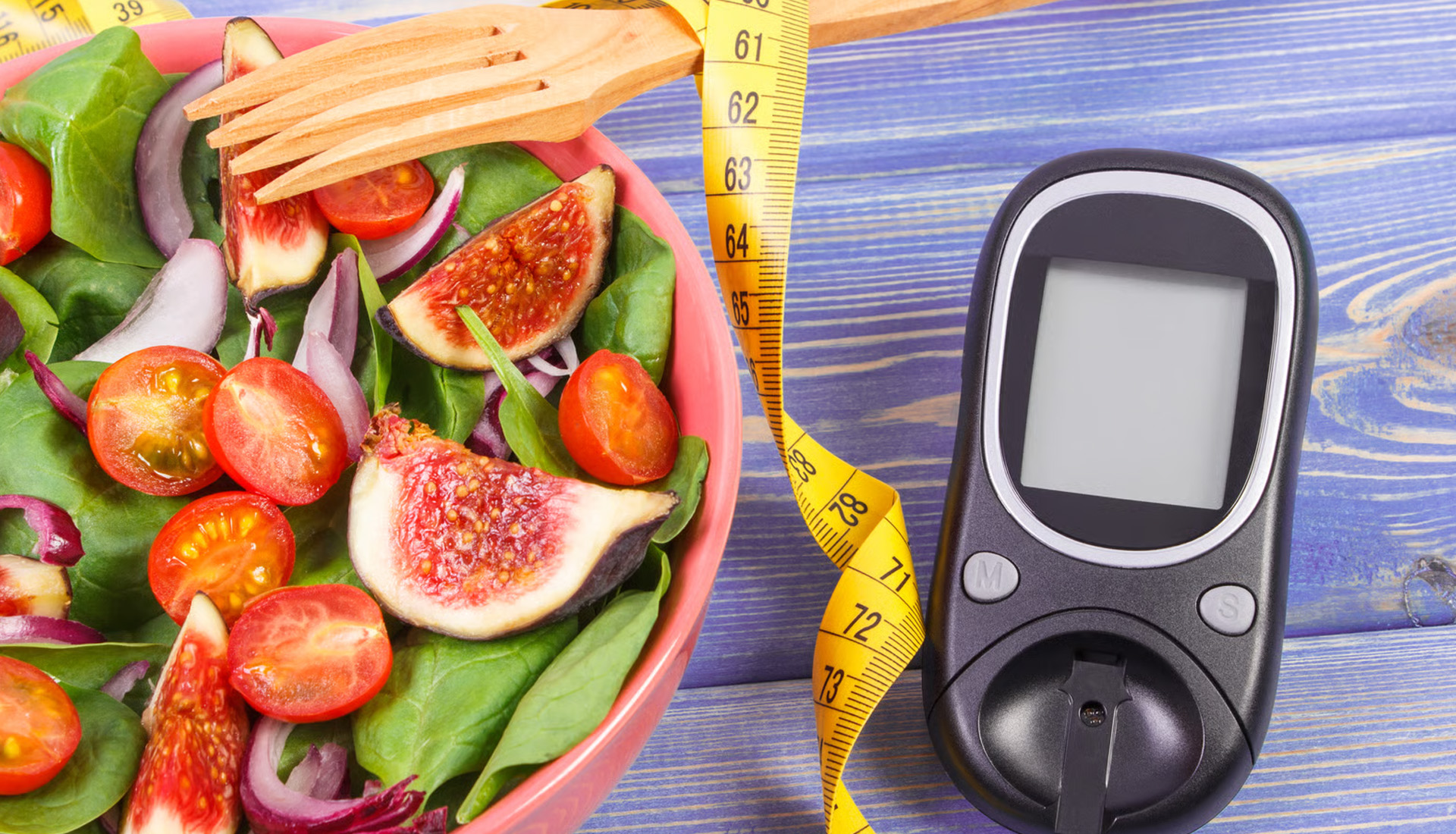
What to Eat vs. What to Avoid
Foods to Embrace
- Fresh or Steamed Vegetables: Rich in fiber, vegetables help slow sugar absorption. Focus on green leafy varieties like kale or morning glory. Avoid seasoning them with excessive sugar, fat, or salt to protect your heart health.
- Fish, Lean Meats, and Plant Proteins: Protein helps repair the body without directly spiking blood sugar. Choose fish, skinless chicken, or plant-based proteins like tofu and beans.
- Whole Grains: Brown rice, berry rice, and whole-wheat bread are excellent energy sources that keep blood sugar more stable than refined white grains.
Foods to Limit or Avoid
- Sugary Beverages: Soft drinks, sweetened teas, and fruit juices with added sugar can cause blood sugar to skyrocket instantly. Opt for no sugar added versions instead.
- Sweets, Bakery Items, and Fried Foods: These are often high in both sugar and fats, making weight and sugar control difficult. Frequent consumption increases the risk of diabetes-related complications.
Processed Foods: Sausages, ham, and instant meals are often high in sodium, fat, and “hidden” sugars, which can negatively impact blood pressure and overall health.

The “2:1:1” Plate Method
The 2:1:1 method is a simple, practical way to manage portions using a standard 9-inch plate. Divide your plate into four sections:
- 2 parts Vegetables
- 1 part Rice or Starches
- 1 part Protein (Meat/Legumes)
This method ensures you get all the necessary nutrients while keeping carbohydrates under control.
Medical Nutrition Therapy: A Helping Hand
Sometimes, calculating every meal or managing portions perfectly can be difficult. Medical food for diabetes is a systematic option designed specifically to provide the right balance of carbohydrates and energy. These should be used under the guidance of a healthcare professional.