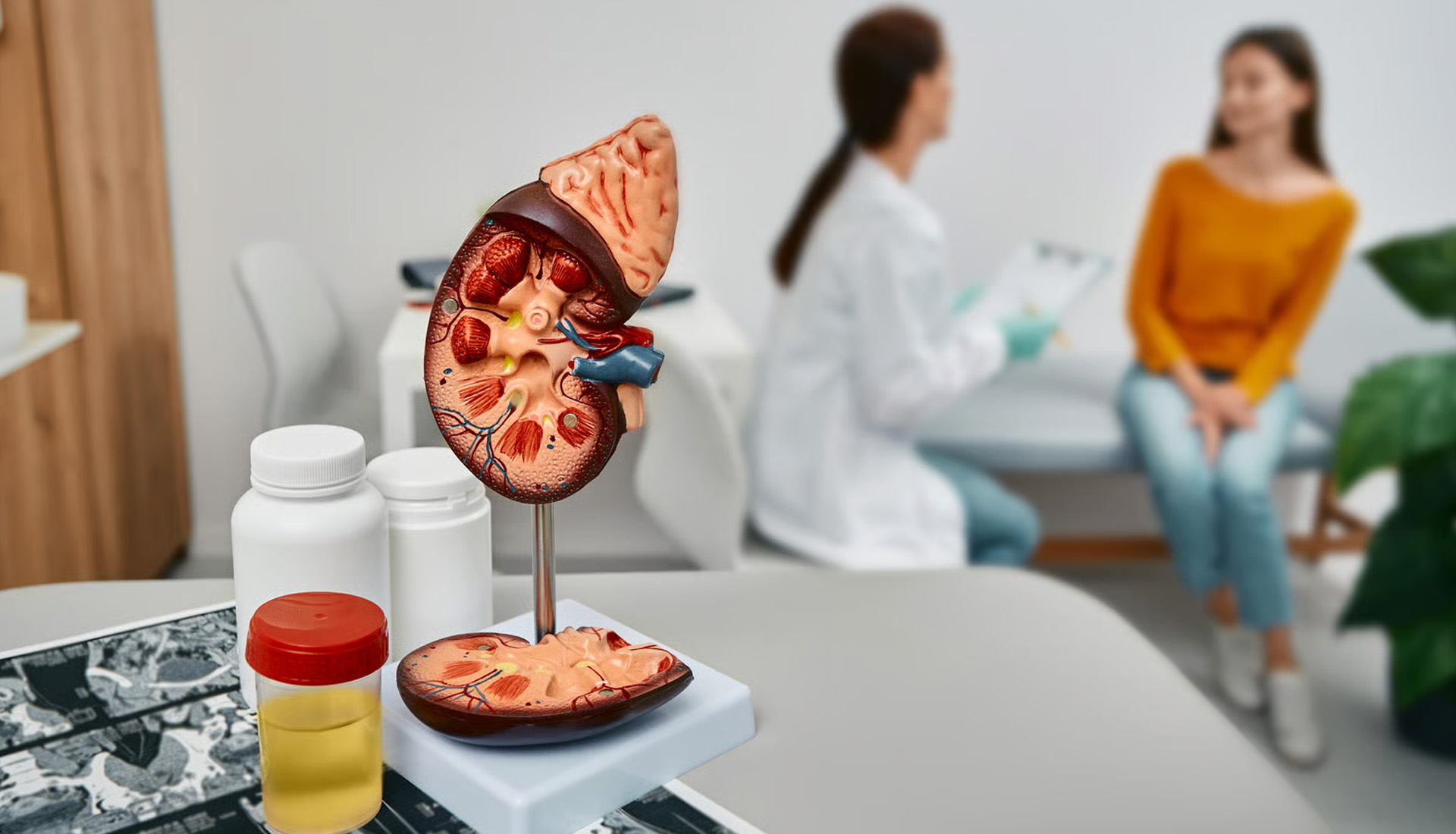


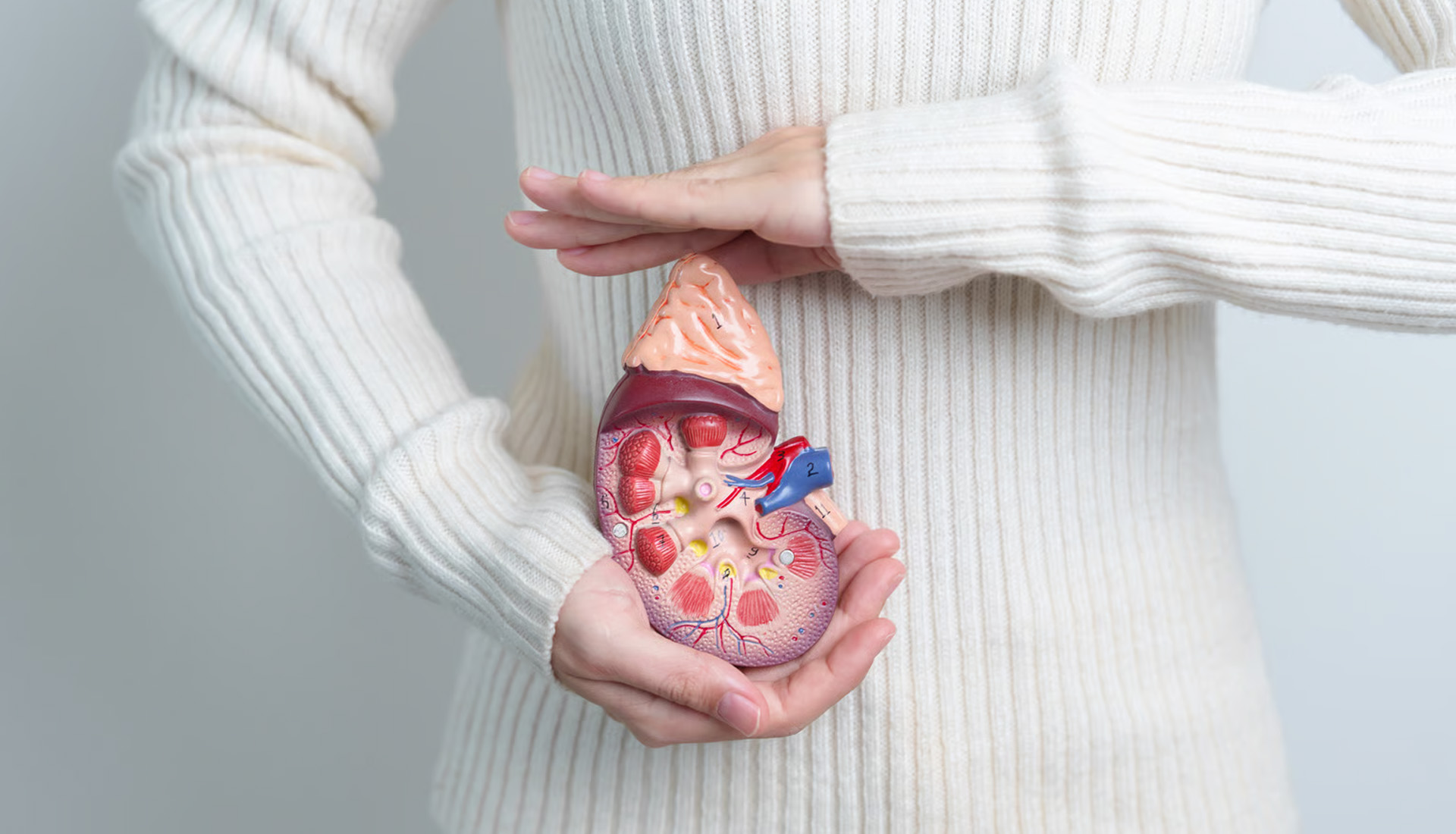
Think of your kidneys as your body’s natural filtration system that filters out waste and controls the balance of water and various minerals. When kidney efficiency begins to decline, selecting what you eat becomes extremely important. Many kidney patients believe that simply avoiding salty food is enough, but in reality, each stage of kidney disease has distinct nutritional requirements.
A common misconception is that you just need to cut out salt. In reality, your nutritional needs change significantly depending on the stage of your condition. Eating the right way for your specific stage can actually slow down kidney decline, reduce complications, and can delay the need for dialysis.
Understanding the Stages of Kidney Care
Stages 1–3a (Early Stages)
At this point, your kidneys are still functioning reasonably well. You might not even feel any different. The goal here is prevention and avoiding overworking the system. This means keeping your protein intake moderate (about 0.8 to 1.0/kg/day) and controlling other conditions like high blood pressure and diabetes, which protects your kidneys from further damage.
Stages 3b–5 (Pre-Dialysis Stage)
This is the stage where kidney function has dropped significantly. You will likely need to move focus to a low-protein diet and have to be careful with minerals like potassium and phosphorus to prevent dangerous complications like heart arrhythmias or bone density loss.
Stage 5 (On Dialysis)
Once you start dialysis, the rules of the game change completely. Unlike the earlier stages, you now need a high-protein diet (about 0.8 to 1.0/kg/day) because of the losses that occur during the dialysis process. Additionally, you must still strictly manage their sodium and fluid intake according to their doctor’s recommendations.
3 Key Minerals Kidney Patients Need to Control
To keep your body in balance, you’ll need to monitor these three specific minerals:
- Sodium: Too much salt causes your body to hold onto water, leading to swelling and high blood pressure. Aim for less than (2,000 mg/day) by avoiding highly salty foods, such as fish sauce, soy sauce, pickled or fermented items, and canned goods.
- Potassium: This mineral affects how your heart beats. If levels get too high, it can be dangerous. Be cautious with high-potassium fruits like bananas or durian. For vegetables, boiling them and throwing away the water helps wash out some of the potassium.
- Phosphorus: High phosphorus can make your bones brittle and your blood vessels crunchy. Limit things like dairy, egg yolks and nuts.